
How Much Does Water Damage Restoration Cost in San Jose?
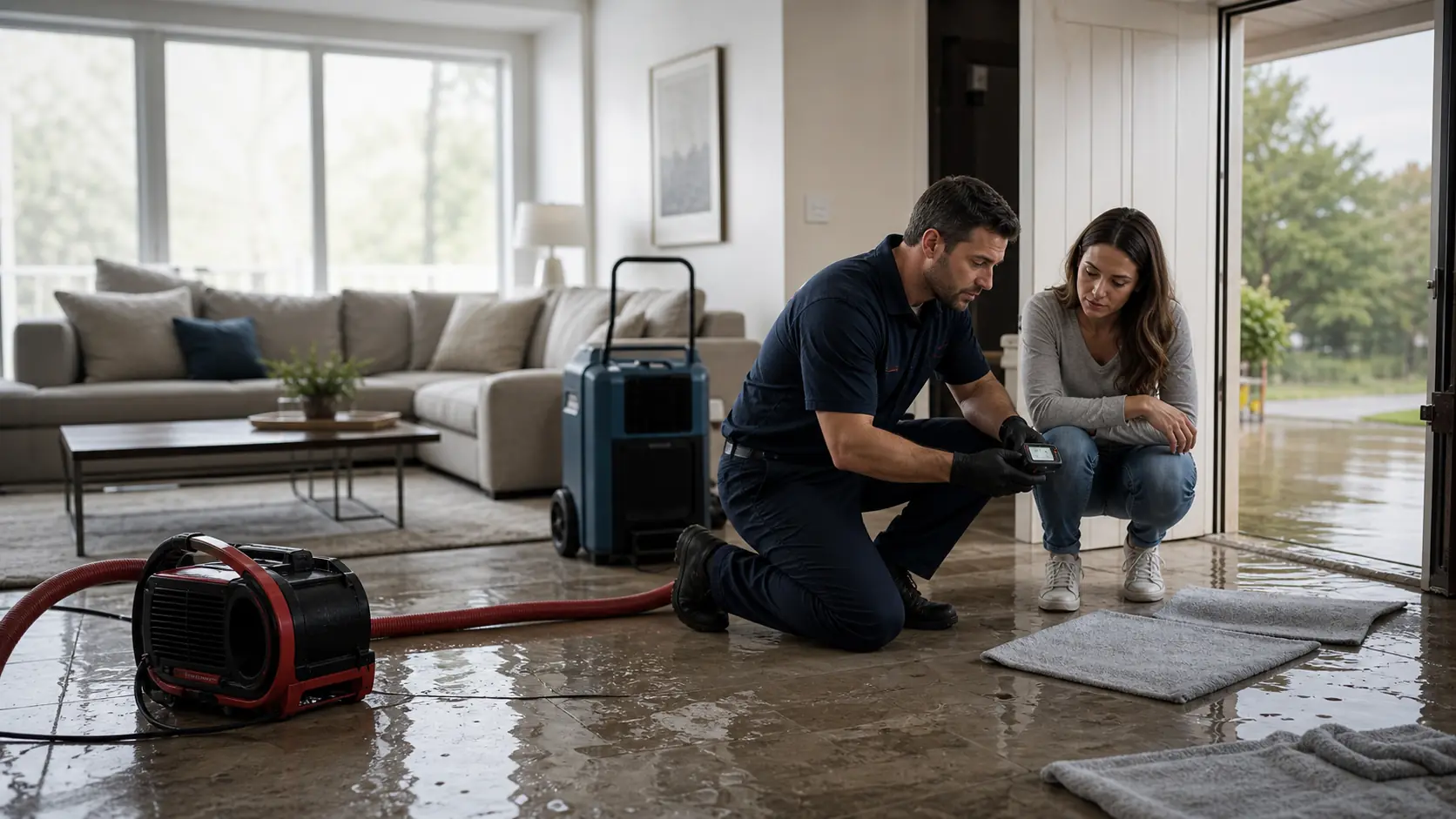
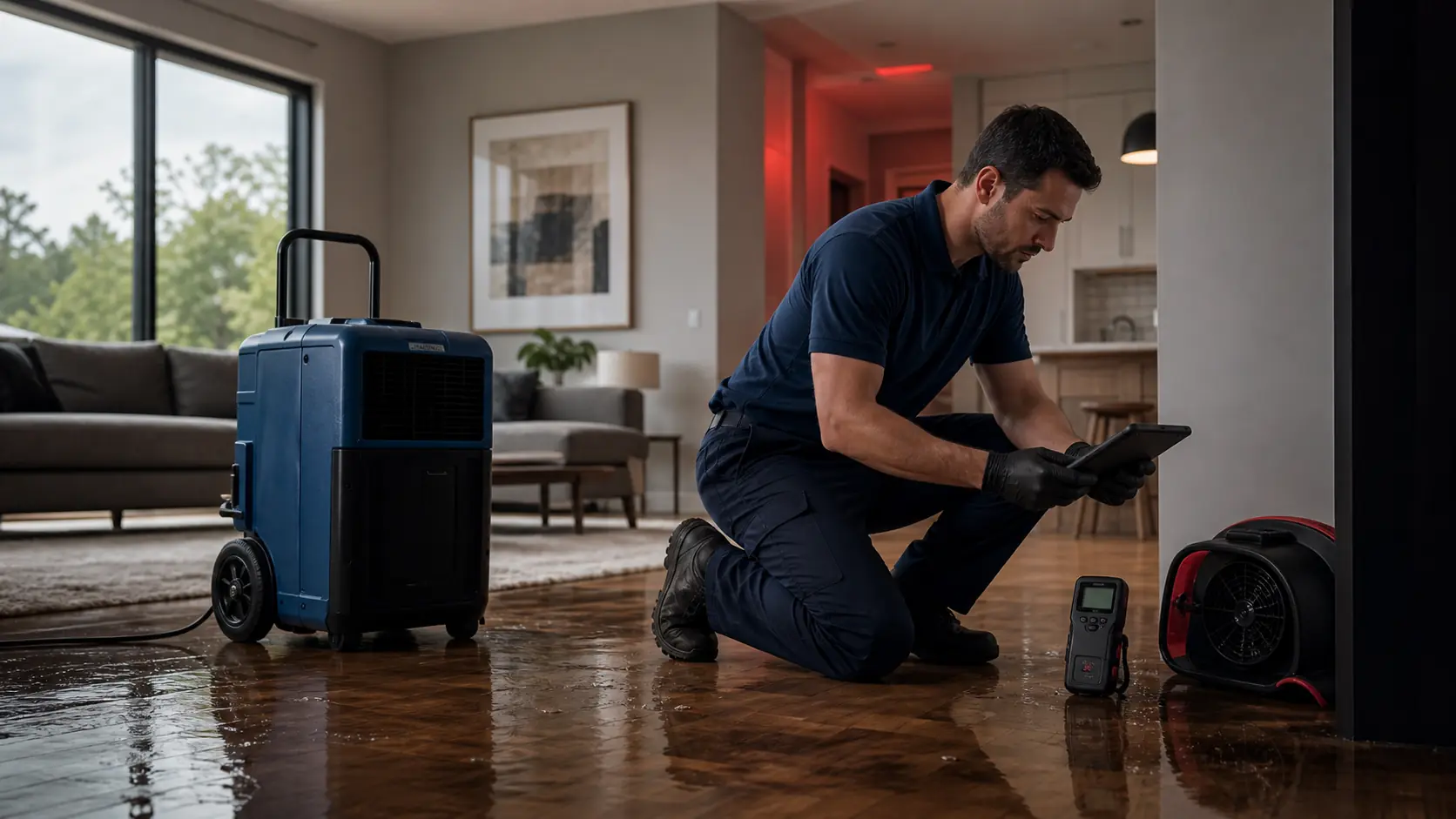
If you're staring at a flooded floor, "what is this going to cost?" is probably your first question. The honest answer: it depends — but understanding what it depends on helps you avoid surprises and spot a fair estimate. Costs range widely, from a few hundred dollars for a small, clean-water cleanup to several thousand or more for extensive damage involving multiple rooms, contaminated water, or structural repairs.
The first day after a flood sets the tone for everything that follows — how much of your home is saved, how smooth your insurance claim is, and how soon you're back to normal. Here's exactly what to do, in order.
Water Damage Categories Explained (Clean, Gray & Black Water)
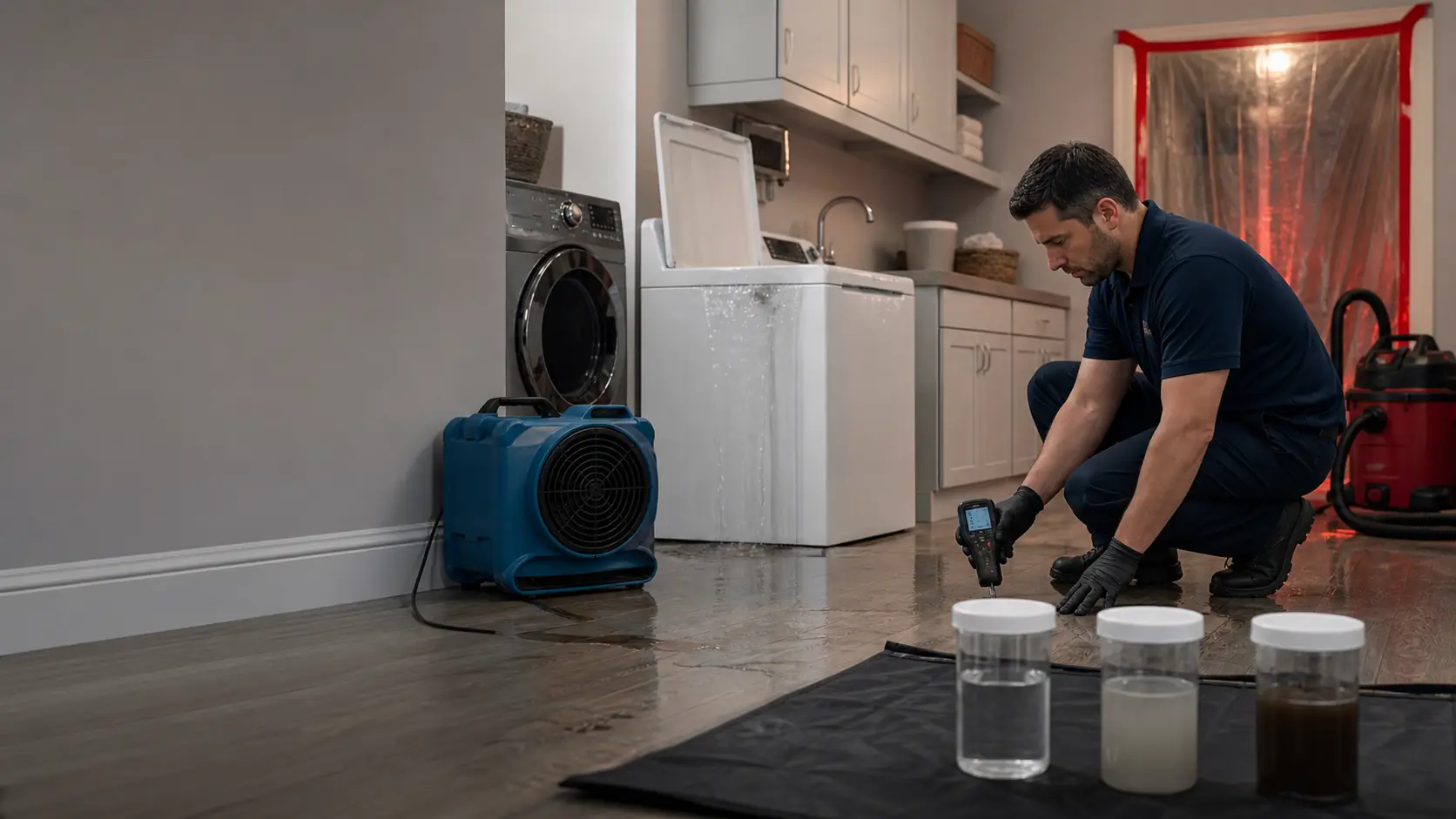
Not all water damage is equal. The restoration industry classifies water into three categories based on how contaminated it is — and that category determines how the cleanup must be handled, what can be saved, and the safety steps required. Here's what each means in plain English.
A burst pipe is one of the fastest-moving home emergencies there is — it can flood a room in minutes and send water through ceilings and into floors below. What you do in the first few minutes genuinely affects how much damage you're left with. Here's exactly what to do, in order. (General guidance.)
When your home is disrupted, you want a timeline. The short answer: drying typically takes 3–5 days, while full restoration — including any repairs — can take anywhere from a few days to several weeks depending on the severity. Here's how that breaks down.
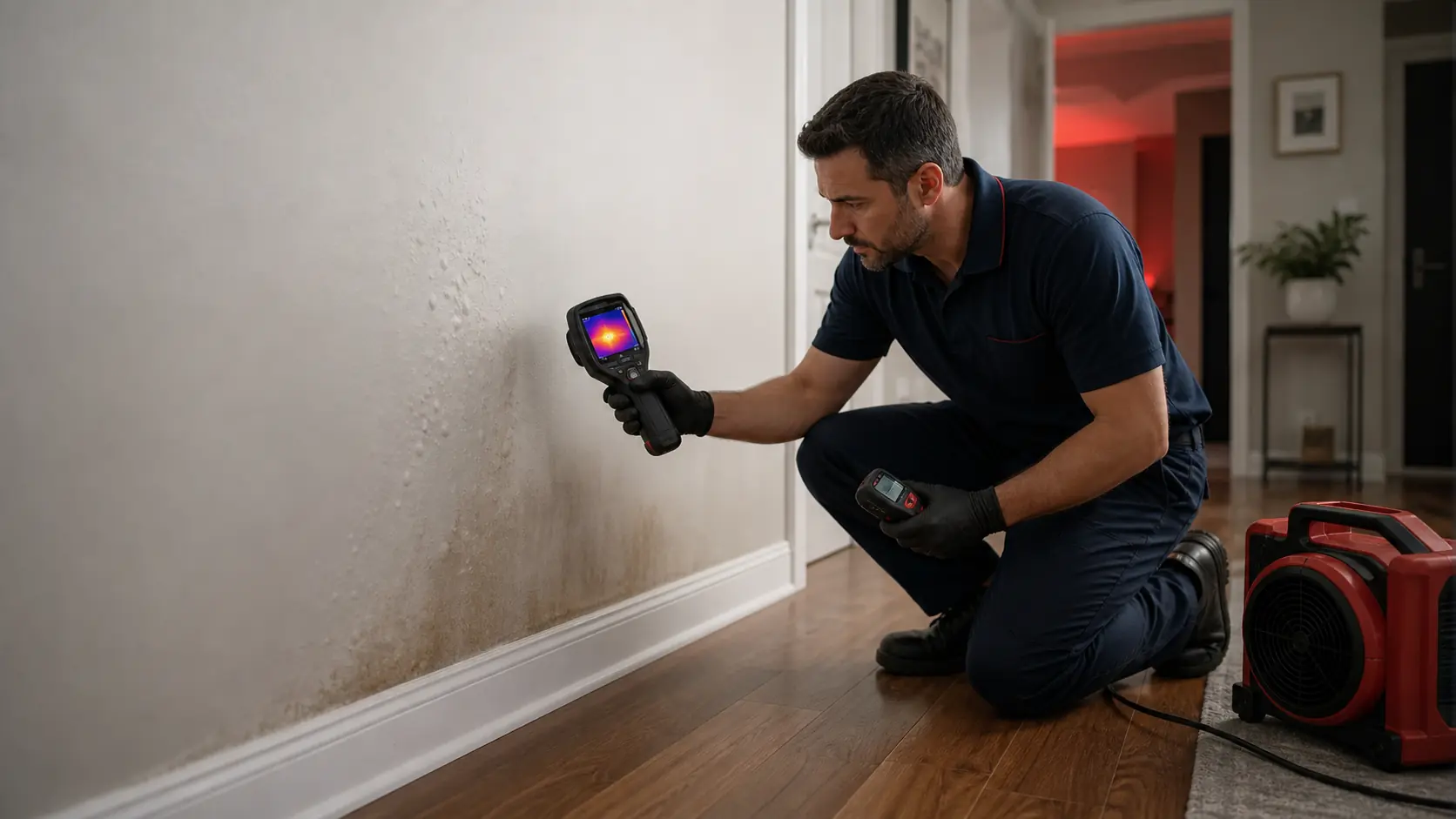
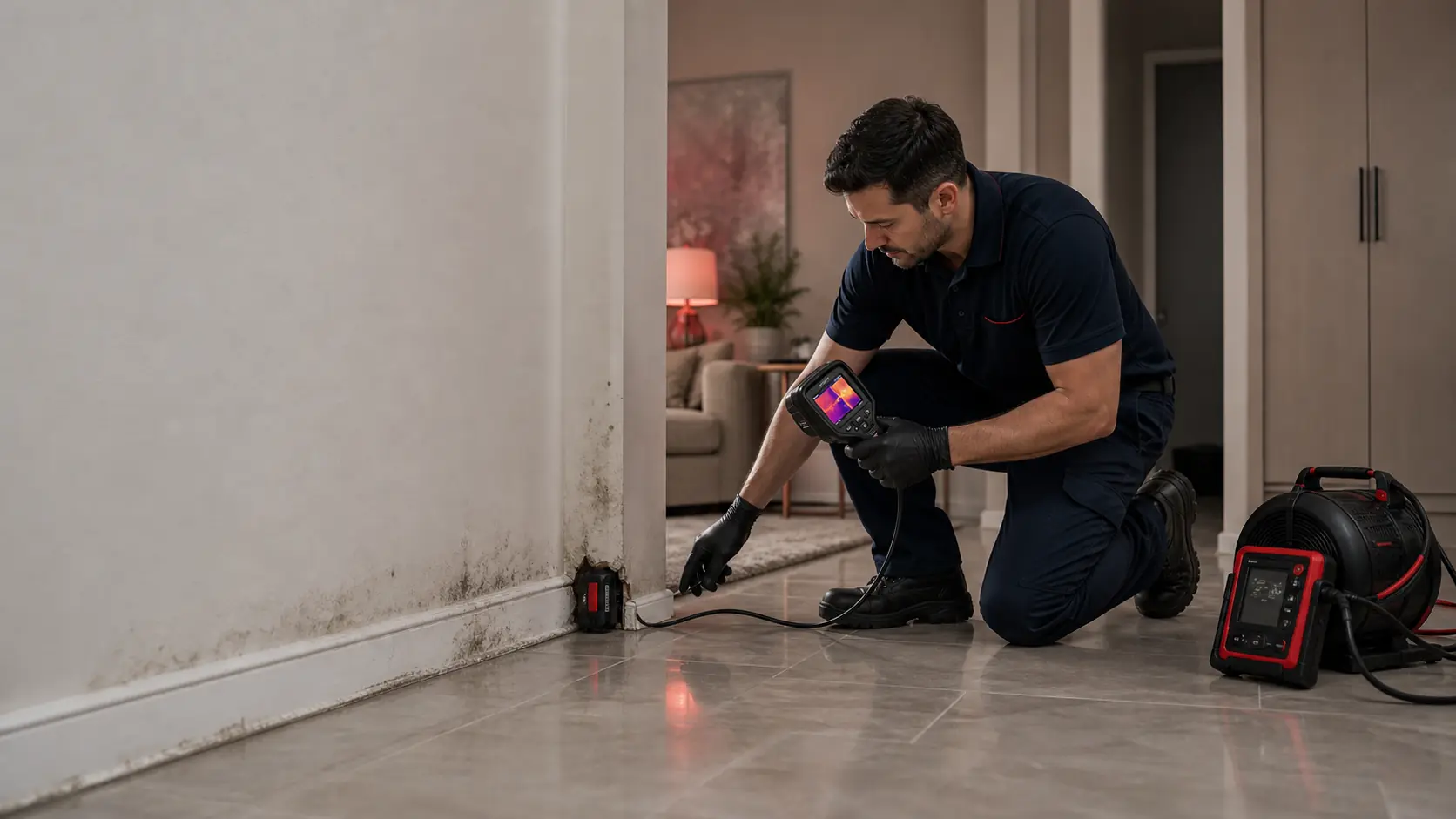
The most expensive water damage is the kind you can't see. A slow leak inside a wall can quietly soak framing and insulation for weeks, leading to rot and mold before anything obvious appears. Catching it early saves money and protects your health. Here's what to watch for.
Will My Floors Need to Be Replaced After Flooding?
It's one of the first questions homeowners ask, because flooring is expensive. The good news: floors can often be saved with fast professional drying — but it depends on three things: the flooring material, the water category, and how quickly drying started.
A huge share of South Bay homes — across San Jose, Cupertino, Sunnyvale and beyond — are built on concrete slab foundations. That construction is durable, but it has one notable vulnerability: slab leaks, where a water line running beneath the foundation springs a leak. Because the water is hidden under concrete, these leaks can run for weeks before you notice, quietly causing damage and feeding mold.
After water damage, you're juggling cleanup, insurance, and daily life — and wondering whether you can stay put or need to leave. It depends on a few key safety factors. Here's how to think it through. (This is general guidance, not professional safety or medical advice — when in doubt, consult the appropriate professionals.)
In a competitive South Bay market, it's easy to fall for a home and overlook red flags. But past or hidden water damage can mean expensive repairs and lingering mold after you've signed. Here's how to spot the warning signs during a showing — before it becomes your problem.
Commercial Water Damage: Minimizing Business Downtime
When water damage hits a commercial property, the clock starts immediately — and every hour closed costs revenue, disrupts tenants, and tests customer loyalty. Whether it's a burst pipe in an office, a roof leak over retail, or a supply failure in a restaurant, a fast, organized response is what gets you operating again. Here's how to minimize the downtime.
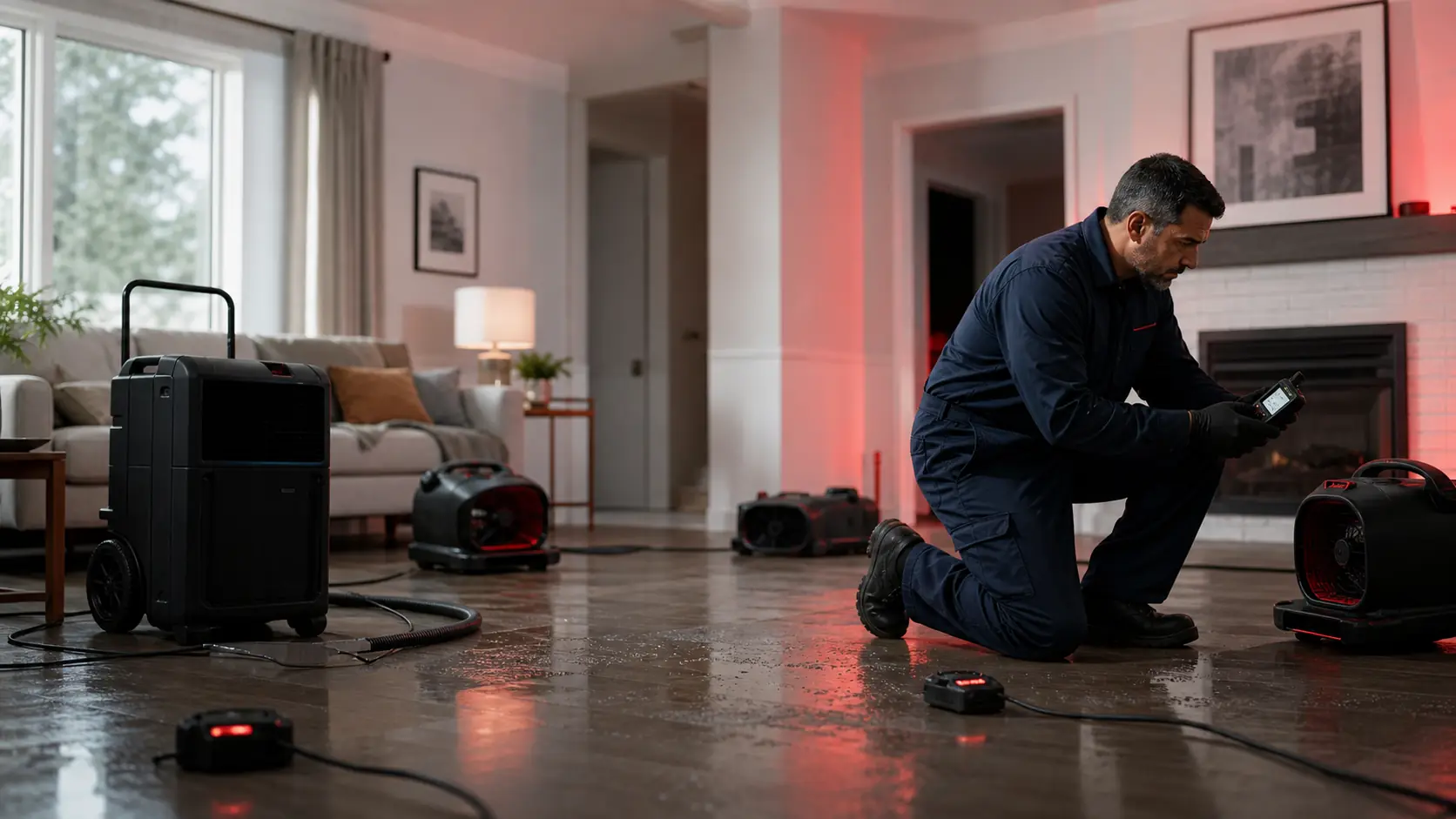
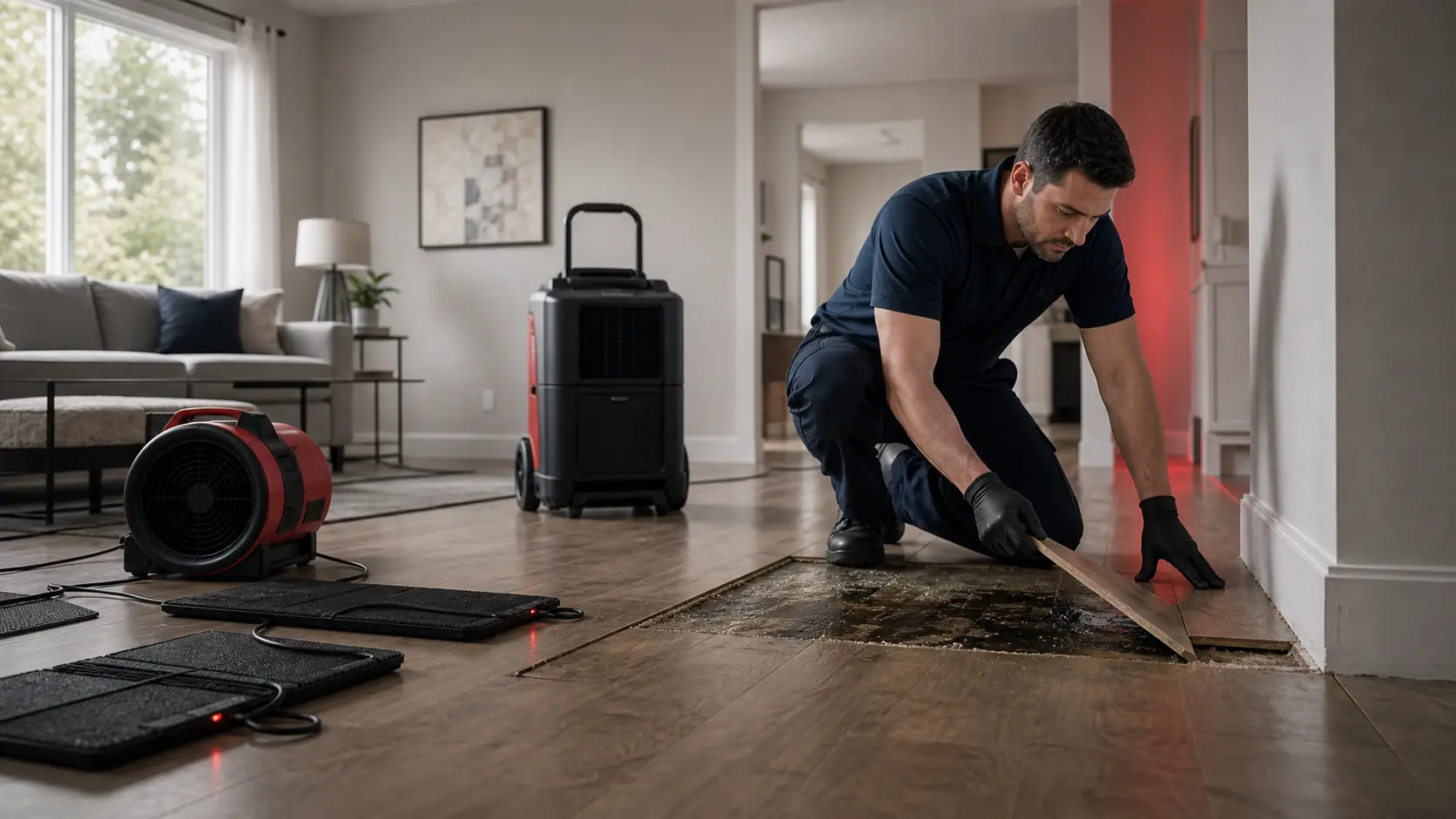
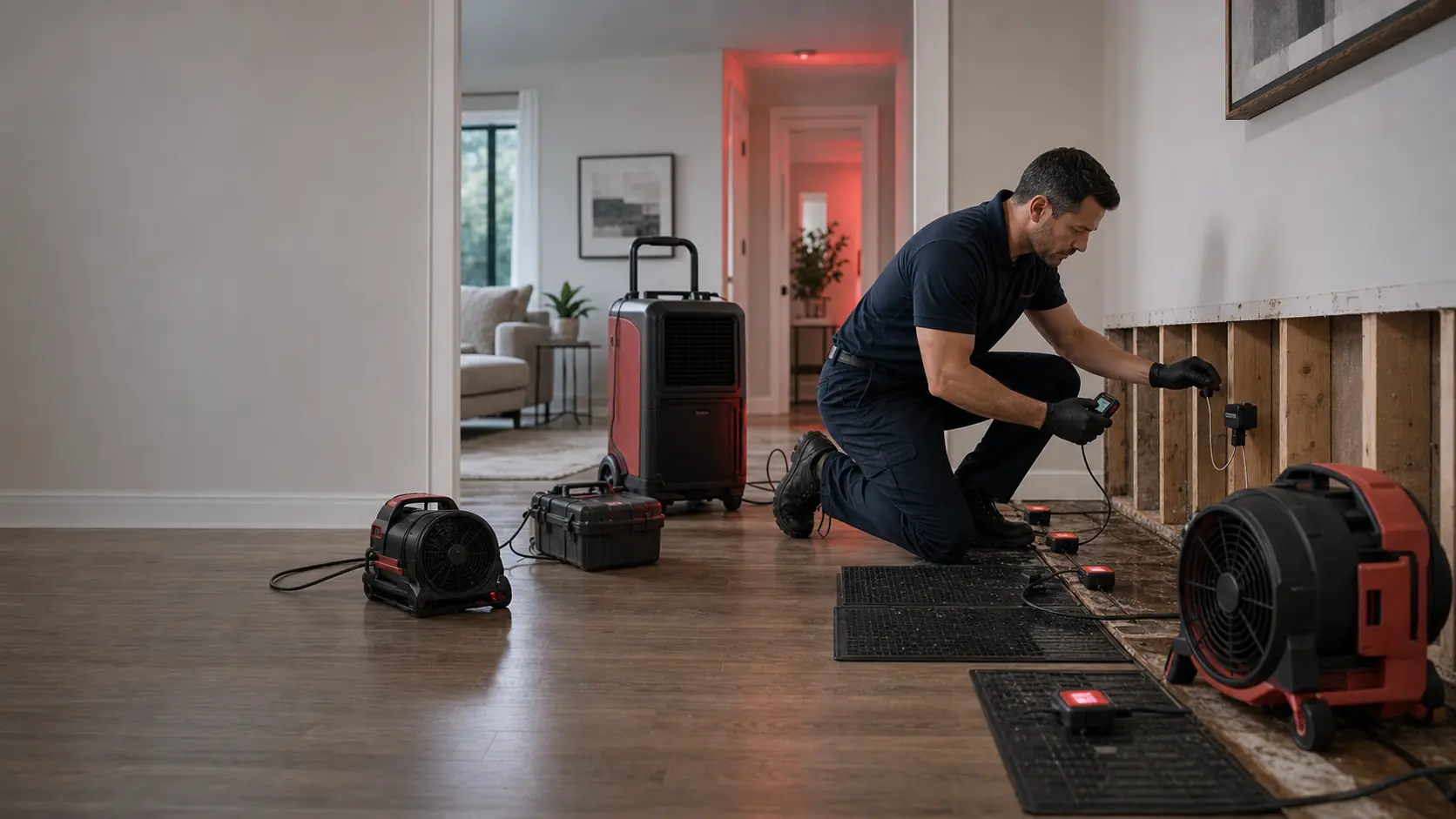
Here's the thing most people don't realize after a flood: getting the standing water out is only the beginning. Water wicks deep into drywall, subfloors, framing, and insulation, where it's invisible — and where it feeds mold within 24–48 hours if it isn't removed. Professional structural drying is the science of getting all of that hidden moisture out, properly and verifiably. Here's how it works.
Dishwasher, Washer & Water Heater Leaks: What to Do
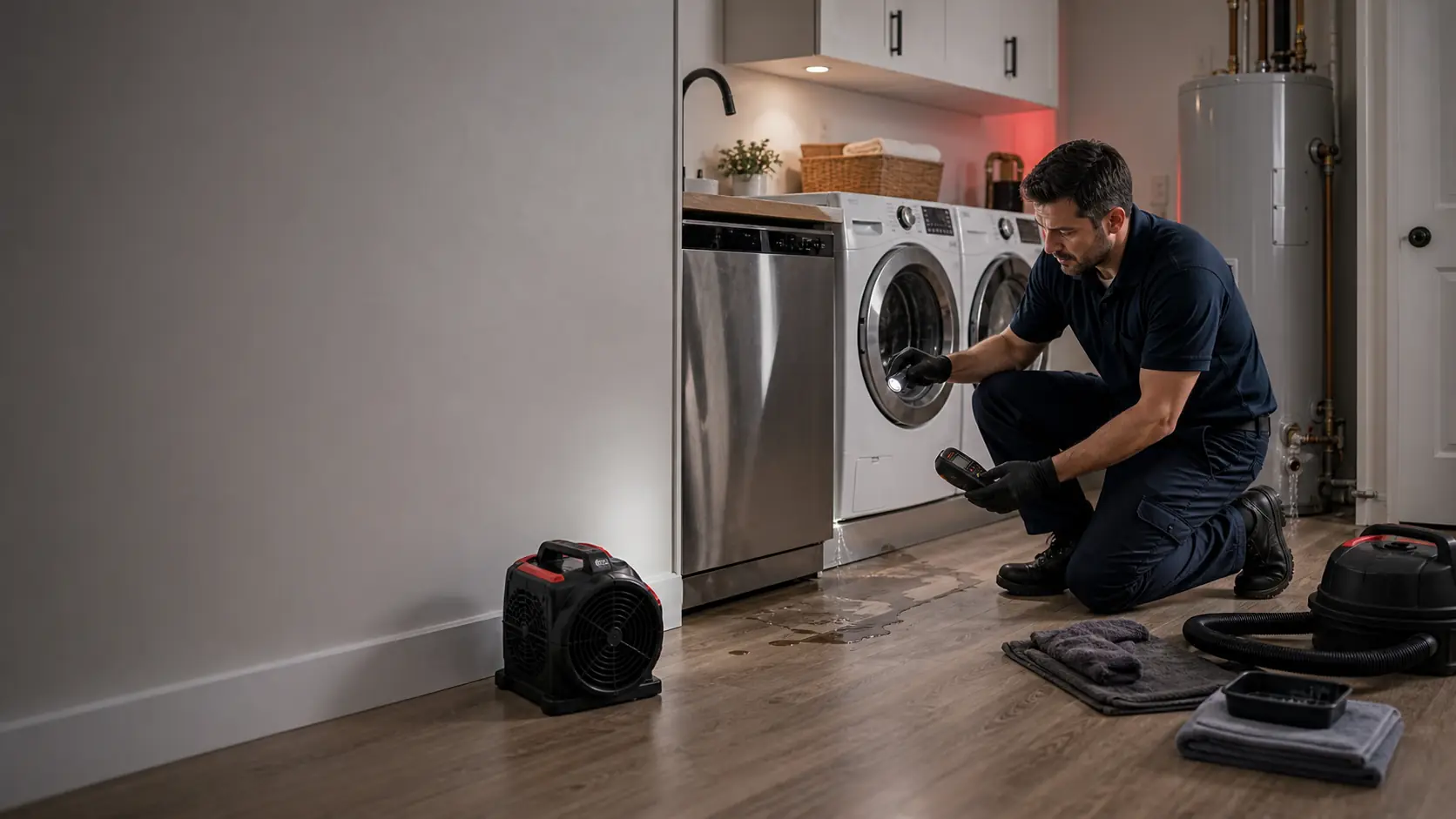
Appliances are one of the most common causes of household water damage — and because they sit quietly in laundry rooms, kitchens, and garages, a slow leak can do real damage before anyone notices. Here's what to do when an appliance leaks, and how to head off the next one.
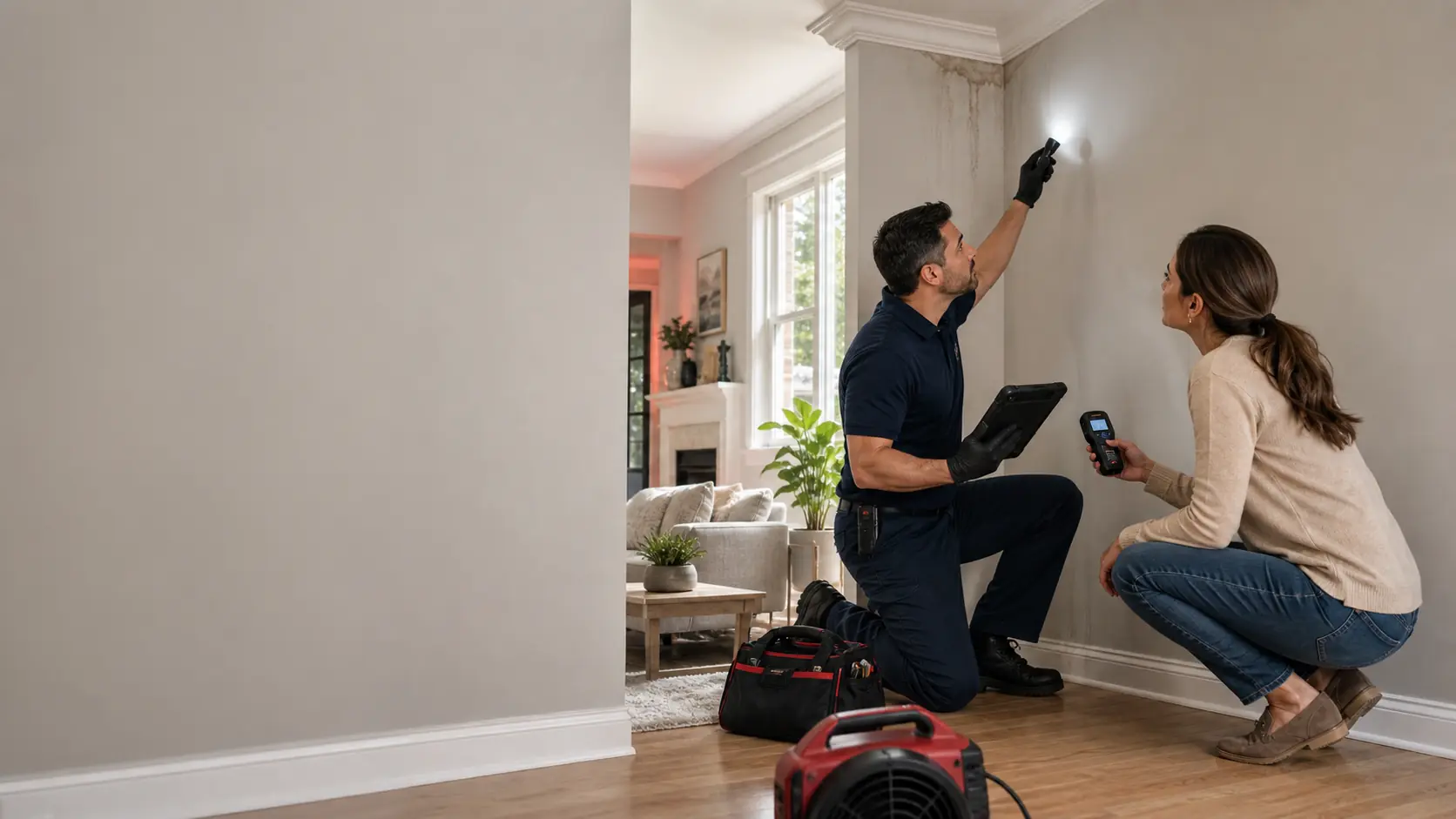
A water stain on the ceiling is easy to ignore — until it spreads or a chunk of drywall comes down. The stain itself is just a symptom; the real question is whether the leak above it is active. Here's how to read the signs and decide whether to worry.
How to Prevent Frozen & Burst Pipes in a Bay Area Cold Snap
Frozen pipes feel like a problem for snowy states, not Silicon Valley. But here's the counterintuitive truth: *Bay Area homes are often more vulnerable during a cold snap, not less — precisely because our pipes weren't built for freezing weather. When an occasional cold front pushes temperatures below freezing, exposed and under-insulated pipes can freeze, expand, and burst. Here's how to prevent it. (General prevention guidance.)*