

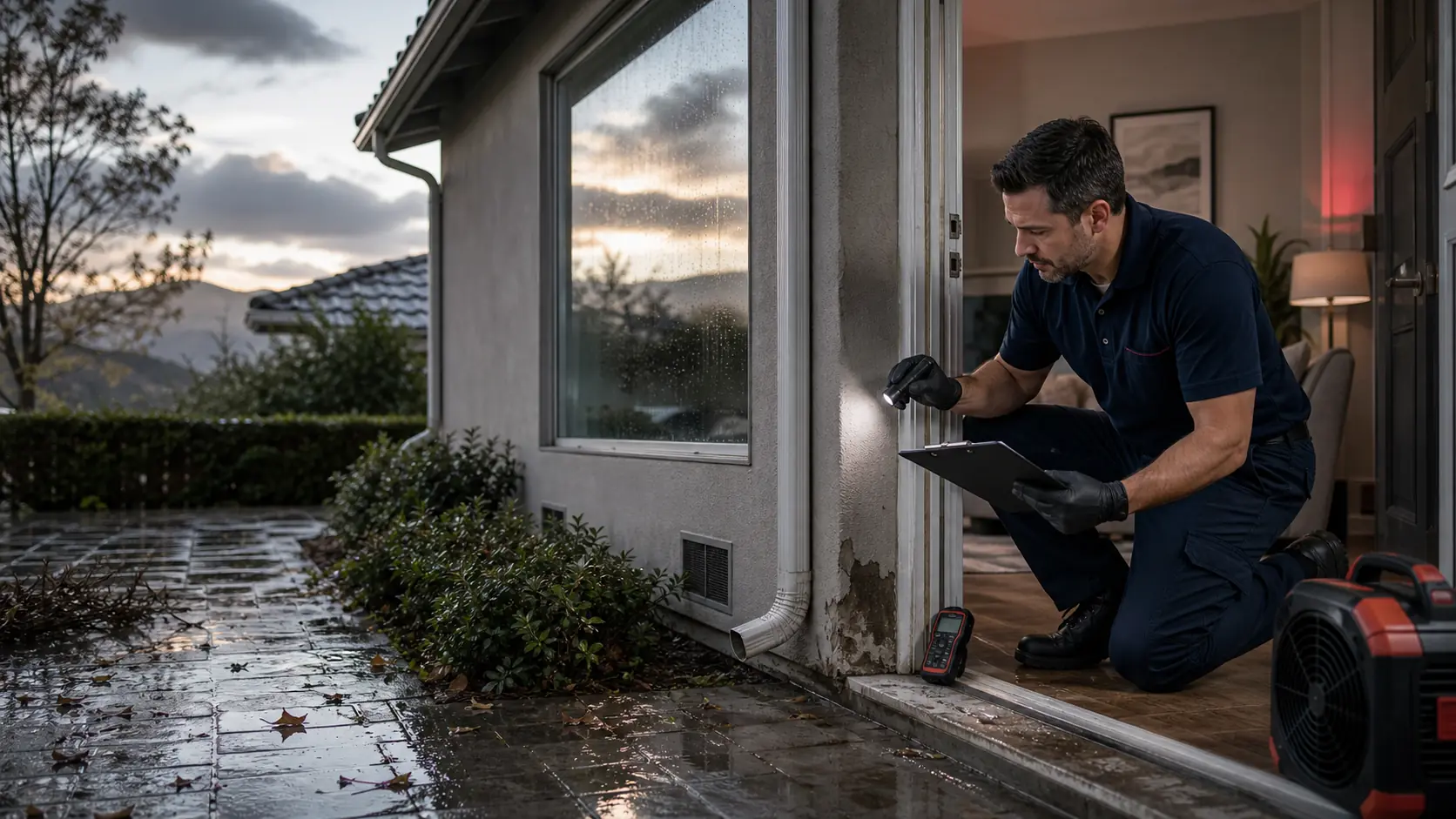
Overview
When a big storm finally clears, the relief is real — but the work isn't over. Storm damage often hides, and the steps you take in the days after determine whether problems get caught early or surface as expensive surprises (and mold) weeks later. Here's a thorough post-storm checklist. (General guidance; follow official instructions and don't take safety risks.)
First: safety check
- [ ] Watch for downed power lines and electrical hazards around the property — keep clear and report them.
- [ ] Check for structural concerns — sagging ceilings, leaning, or damage that suggests instability. Stay out of questionable areas.
- [ ] Avoid any standing water that could be contaminated or electrified.
Inspect the exterior
- [ ] Roof — look (from the ground or safely) for missing/lifted shingles, damaged flashing, or debris impact.
- [ ] Gutters and downspouts — clogs, separations, or overflow damage.
- [ ] Foundation and grading — pooling water, new cracks, or erosion against the house.
- [ ] Windows, doors, and siding — gaps, leaks, or wind/debris damage.
- [ ] Trees — broken or hanging limbs that threaten the home.
Inspect the interior (hunt for hidden water)
- [ ] Ceilings — new or growing water stains, bulging, or active drips.
- [ ] Walls — stains, bubbling paint, dampness, especially below windows and along exterior walls.
- [ ] Attic — daylight, wet insulation, or stains on rafters (a roof leak's first evidence).
- [ ] Floors — damp spots, warping, or buckling.
- [ ] Basement/crawl space — standing water, dampness, or musty odor.
- [ ] The musty-smell test — sniff closets and low-ventilation rooms; odor is an early hidden-moisture sign (see what causes musty smells).
Document everything
- [ ] Photograph and video any damage you find, exterior and interior, before cleanup or repairs.
- [ ] Make a list of damaged items and areas.
- [ ] Keep receipts for emergency repairs or temporary fixes.
- [ ] Review coverage and file your claim promptly if there's damage.
Address damage promptly
- [ ] Make temporary repairs to prevent further damage (tarp a roof leak, board a broken window) — and document them. Most policies expect you to mitigate.
- [ ] Call professionals for water intrusion — hidden moisture needs proper drying to prevent mold, and that window is short (24–48 hours). We respond 24/7.
Don't overlook the hidden stuff
The damage you can see right after a storm is often less than what's actually there — water wicks into walls, attics, and subfloors. If you found any water intrusion, a professional moisture assessment ensures hidden dampness is found and dried before it becomes mold.
The takeaway
Post-storm, work the checklist methodically: safety first, then a careful exterior and interior inspection (hunting for hidden water), thorough documentation, and prompt mitigation. Catching damage early — especially hidden moisture — is what keeps a storm from costing you twice.