

Overview
When it comes to insurance claims, documentation is everything. The difference between a smooth, fully-paid claim and a frustrating, underpaid one often comes down to how well the damage was recorded. Here's exactly what to capture and keep. (General guidance — follow your insurer's requirements too.)
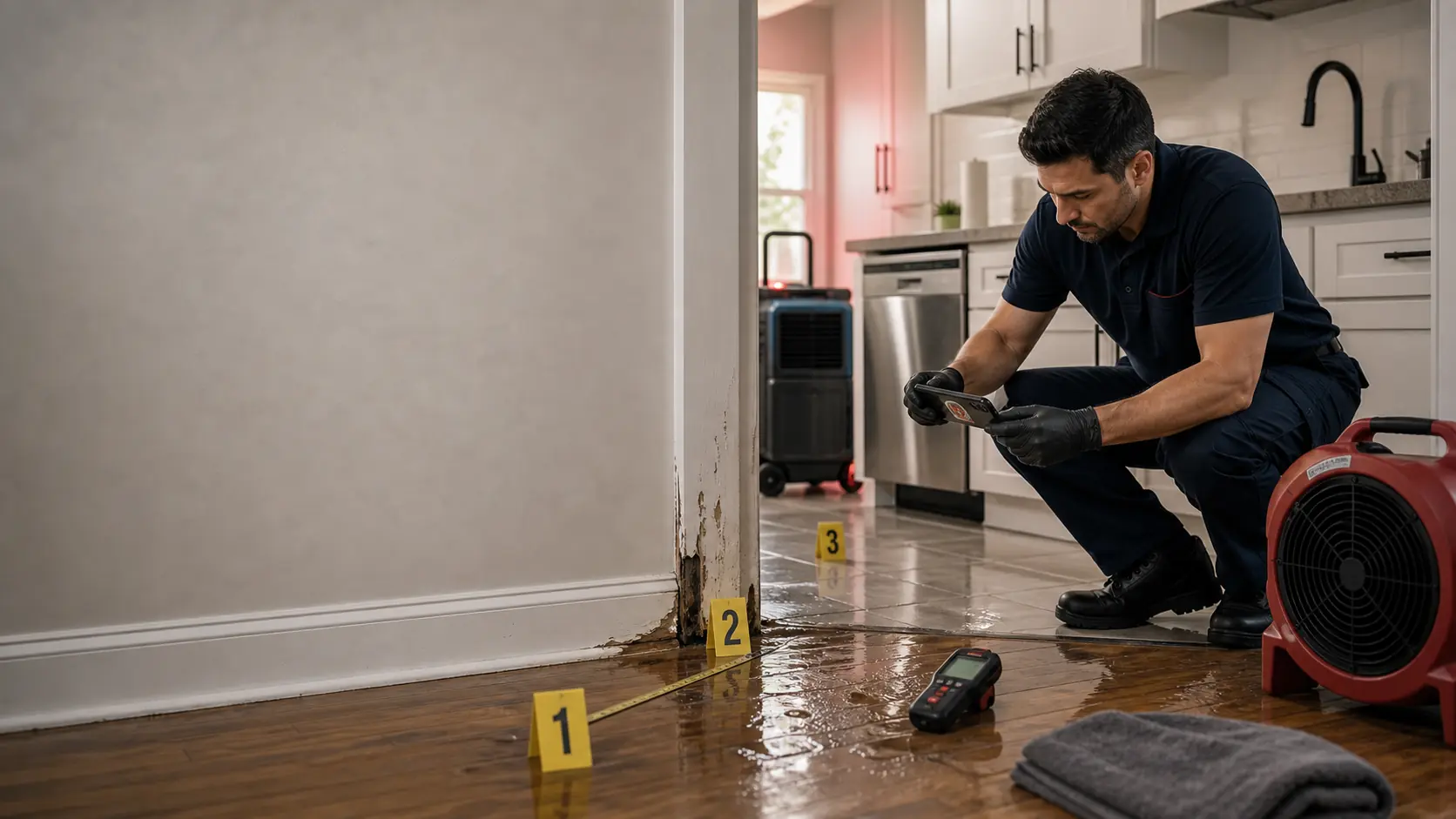
Photograph and video — before you clean
This is the single most important step, and it's time-sensitive: capture the damage before cleanup changes the scene.
- Shoot wide (whole room) and close (specific damage) for context and detail.
- Cover every affected area — don't forget closets, under sinks, behind furniture, and ceilings.
- Film a slow video walkthrough narrating what happened and what's damaged.
- Capture the source if visible (the burst pipe, the failed appliance, the roof leak point).
- Photograph damaged belongings individually, including brands, models, and serial numbers where possible.
Make an inventory of damaged items
List damaged contents with a description, approximate age, and value or replacement cost. Receipts, manuals, and original packaging help substantiate value. For high-value items, prior photos (from before the loss) are gold if you have them.
Keep every record
- Receipts for anything you spend related to the loss — temporary repairs, tarps, a hotel if displaced, equipment rental.
- A communication log — every call and email with your insurer and contractors, with names, dates, and summaries.
- Your policy and claim number handy.
Let the professionals document too
A restoration company documents the loss to industry standards as part of the job — moisture readings, affected-area mapping, photos, and a detailed itemized estimate. This professional record carries weight with adjusters and complements your own. It's a core part of how we handle insurance claims.
Don't toss damaged materials too soon
If possible, keep (or photograph in detail) removed materials and damaged items until the adjuster has reviewed them, or confirm with your insurer first. Discarding evidence prematurely can complicate a claim.
Why this matters
Adjusters work from evidence. The more complete and organized your documentation, the less room for dispute and underpayment — and the faster your claim resolves. Five minutes of careful photos at the start can mean thousands of dollars and weeks of hassle saved later.