Overview
After mold remediation, how do you know it actually worked — that the mold is gone and won't quietly come back? That's what post-remediation verification, sometimes called clearance testing, is for. Here's what it means and why it matters. (General information, not medical advice.)
What clearance means
Clearance is the confirmation step at the end of remediation. It verifies two things: 1. The mold and affected materials were properly removed, and the area is clean. 2. The area is dry — moisture levels are back to normal so mold can't simply regrow.
In short: clearance is the difference between "we cleaned it" and "we verified it's actually resolved."
Visual verification vs. testing
There are two levels, and which you need depends on the situation:
- Visual + moisture verification. A thorough check confirming no remaining visible mold, properly removed materials, and dry conditions verified with moisture meters. For many straightforward residential jobs, this is appropriate.
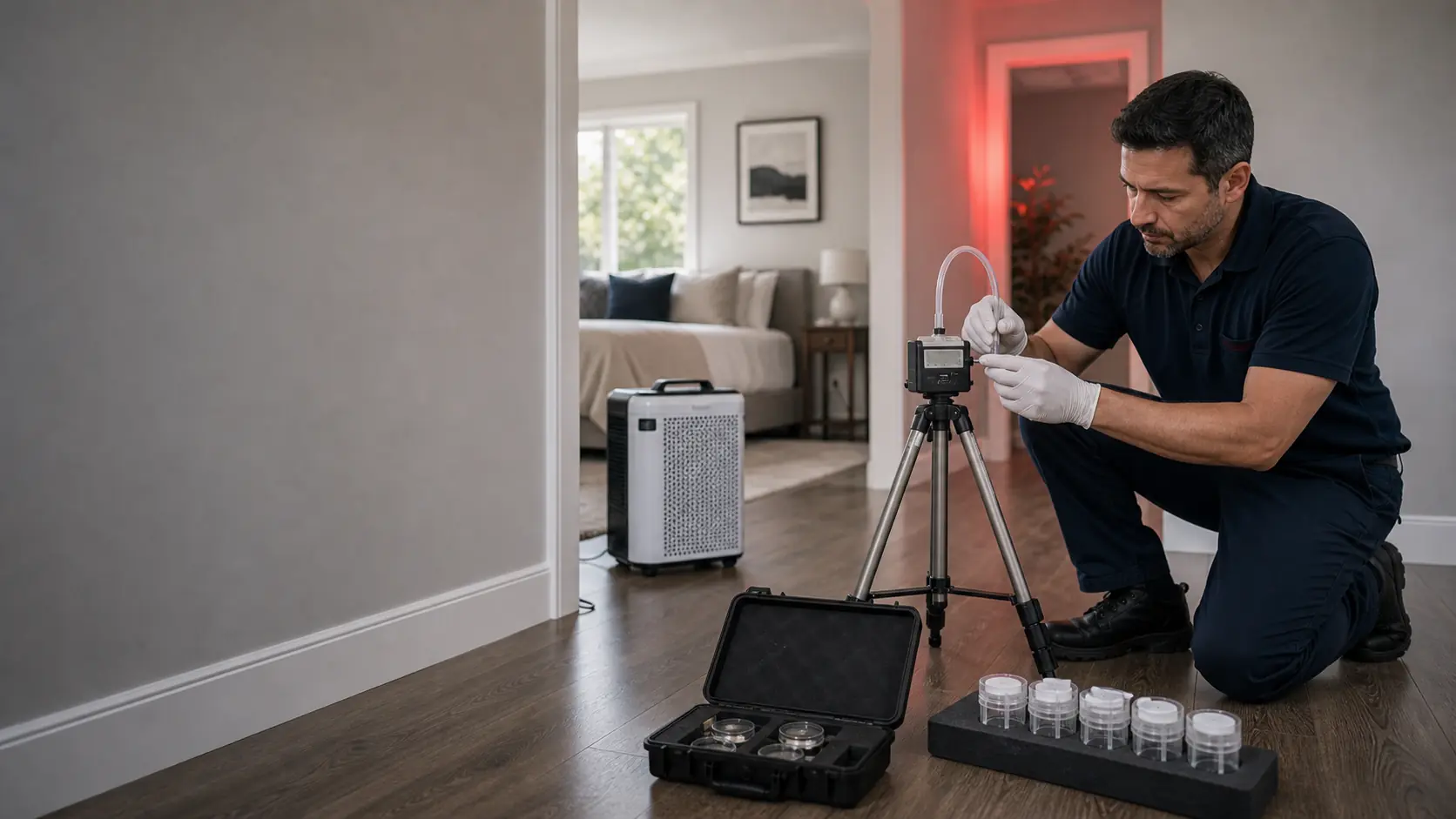
- Clearance testing (sampling). For larger jobs, sensitive situations, real-estate transactions, or anyone who wants documented proof, third-party air or surface testing can confirm that mold spore levels are back to normal/acceptable. For full independence, this testing is sometimes done by a separate company from the one doing the remediation, to avoid any conflict of interest.
Why independence can matter
When the stakes are high (a sale, a health-sensitive household, a dispute), having an independent party perform the clearance testing removes the "grading your own homework" concern. A reputable remediation company won't object to independent clearance — it has nothing to hide and welcomes the verification.
Why the moisture check is non-negotiable
Even perfect mold removal fails if the area is still damp — mold simply regrows. That's why verifying dryness and confirming the moisture source was corrected is as important as the cleanup itself. Skipping this is the most common reason mold "comes back."
What to expect from a good remediation company
- Clear documentation of what was removed and the protocols followed.
- Moisture verification that the area is dry.
- Willingness to support independent clearance testing when you want it.
- A focus on the moisture source, not just the visible mold. See mold inspection vs. remediation.
The takeaway
Clearance is your proof the job was done right. Ask your remediation company how they verify completion — and for high-stakes situations, consider independent testing for peace of mind.